


Istanbul History

Apr 20, 2020
5 min read
Updated: Jan 4, 2021
Byzantium
Archaeological remains show that people have inhabited the immediate area of present-day Istanbul for tens of thousands of years. A large population lived in the area around 5,000 B.C
Greeks from Miletus and Megara began to settle along the coasts of Bosporus and the Black Sea during the latter part of the eighth century B. C. According to legend, the colony of Byzantium was founded in 660 B. C. by a Megarian named Byzas. The colony was named after him.
Roman Empire

Byzantium was built along the Golden Horn, which provided the best natural harbor in the region.
Greeks, Athenians, Persians, and Spartans fought over the city early on.
Even the Gauls attacked Byzantium in the third century B. C. In 202 B. C. Byzantium, besieged by Macedonians, asked Rome for protection. By 73 B. C. the city had become part of a Roman province.
In A. D. 196, Byzantium found itself on the wrong side of an internal Roman power struggle and paid dearly.
Roman emperor Septimius Severus (146–211; r. 193–211) massacred its residents and destroyed most of the city. He rebuilt Byzantium, which continued to prosper despite serious attacks, civil wars, and rebellions that broke out in the Roman Empire over many decades.

On September 18, 324, Constantine I (c. 274–337; r. 306–337) defeated rival emperor Licinius and united the vast Roman Empire under his leadership.
On May 11, 330, Byzantium officially became the capital of the empire, which stretched over three continents. Briefly known as New Rome, the city was renamed Constantinople in honor of Constantine, the first Roman ruler to adopt Christianity.
Constantinople became one of the world's wealthiest and most powerful cities of its time.
With the death of Theodosius in 395, the Roman Empire was split into East and West. Constantinople became the capital of the Eastern Roman Empire, which came to be known as the Byzantine Empire.
The city developed into the center of the Greek Orthodox Christian world.
With vast amounts of wealth at its disposal, the Byzantine Empire transformed Constantinople into a beautiful city. Some of the best architects of the time designed its churches and palaces. Artists and sculptors left their mark throughout the city. The hippodrome could sit more than 100,000 people. The Haghia Sophia, today a museum, was one of the largest churches of its time. As the city grew, its nearly impenetrable protective walls were built further out.
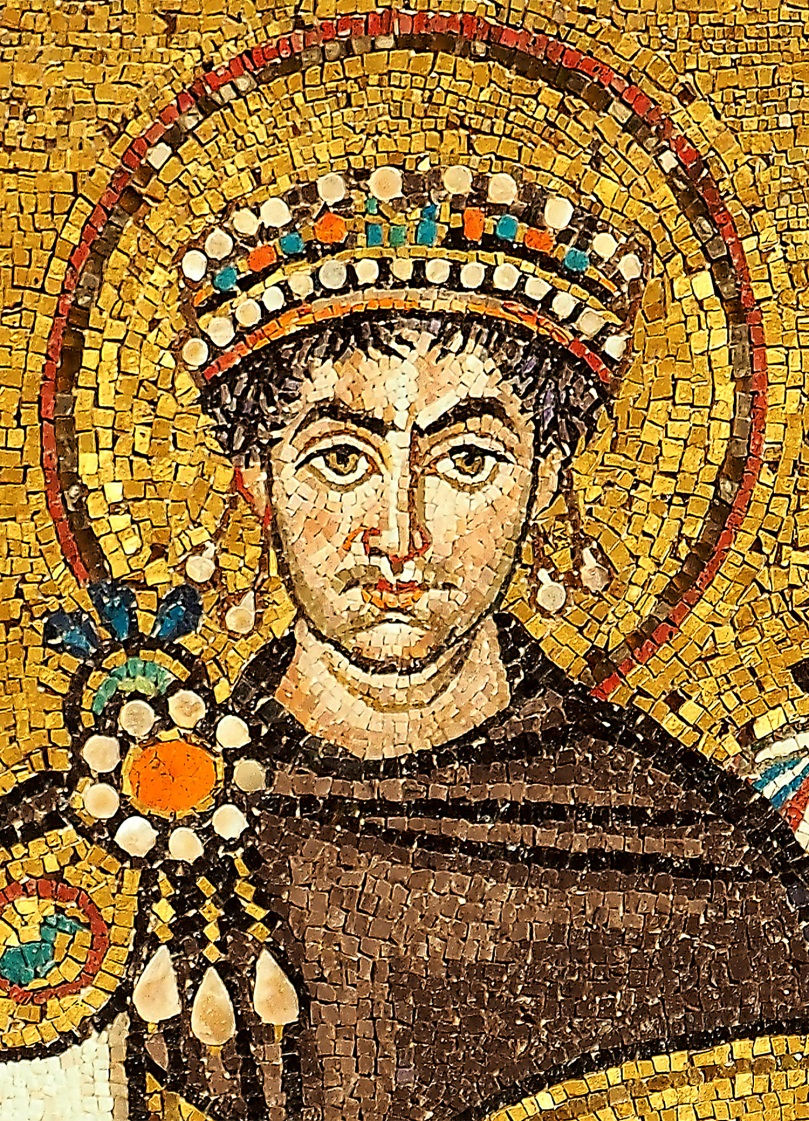
During the reign of Byzantine emperor Justinian I (527–565), more than 500,000 people lived in Constantinople. Justinian oversaw the construction of some of the city's most spectacular buildings, including the Haghia Sophia. Under his rule, the city reached its zenith.
Ottoman Empire

During the Fourth Crusade (a series of religious wars between Western European Christians and Muslims for control of the Holy Land), the Latins (Roman Catholics) broke through the walls and seized the city in 1204.
They held it until 1261.
The city's population shrank to 50,000, and its people were constantly on the brink of famine.
In the distance, the advancing troops of the Ottoman Empire moved closer and closer.
The Ottoman Turks attacked Constantinople for the first time in 1396.
“ Ottoman is the Western derivative for the followers of Osman (1259–1326), a Sunni Muslim warrior who led raids on Christian Byzantine enclaves in western Anatolia (the Asian side of present-day Turkey”.

By 1452, under leader of Sultan Mehmed II the Conqueror.
(1451–1481), the Ottomans tightened the noose, building fortress on the Asian and European side of the Bosporus.
Mehmed commissioned the manufacture of large cannons to bombard the city's powerful walls. In March of 1453, Ottoman troops attacked the city by land and water. On May 29, Mehmed entered the city and prayed in the church of Haghia Sophia. It was a symbolic gesture that signaled the end of Constantinople's Christian era and the beginning of Muslim rule.
The Haghia Sophia was immediately turned into a Muslim temple.
In 1457, Constantinople, known by now as Istanbul, became the capital of the Ottoman Empire. Within a few years, the city was repopulated by more than 50,000 people.
Süleyman the Magnificent of the Ottoman Empire
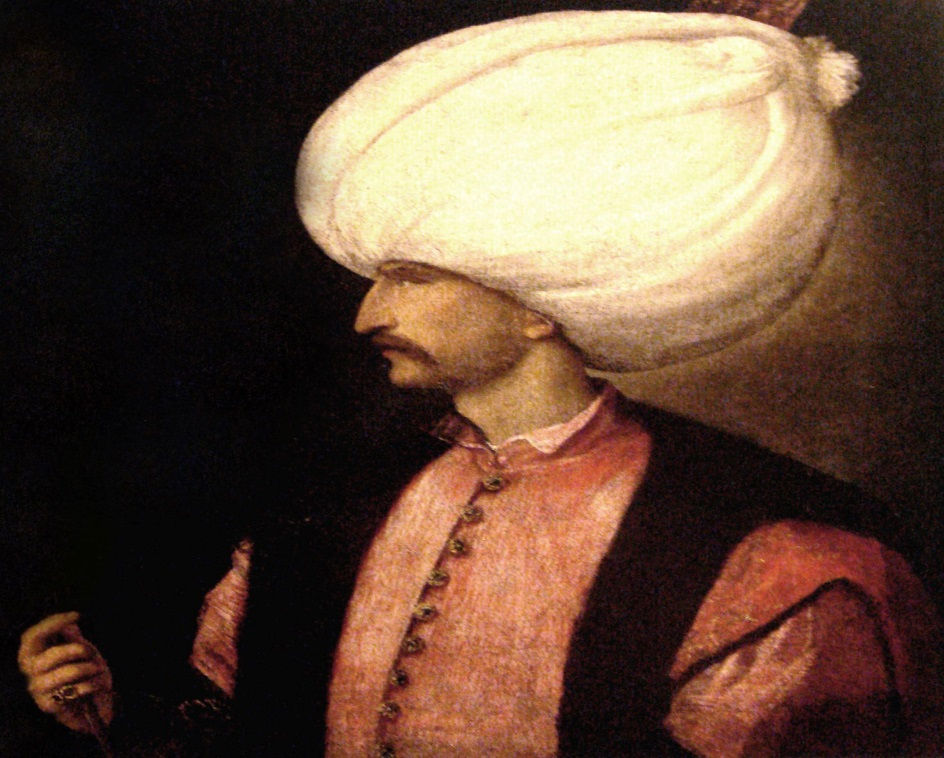
During the rule of Süleyman the Magnificent (r. 1520–66), Ottoman Istanbul reached its zenith. The magnificent buildings of architect Mimar Sinan (c. 1489–1587) defined this period. As chief architect of the Ottoman Empire, Sinan is credited with more than 300 buildings. He designed palaces, mosques, tombs, and government buildings. With his buildings and the contributions of others, the city embraced a distinct Ottoman identity.
For a while, it was the center of Islam.
Republic of Turkey
By the nineteenth century, moderate sultans opened the doors to the West and sought better relations.
British, French, and Germans were involved in just about every aspect of Ottoman society.
By the 1870s, Europeans were building a railroad to connect the continent with Istanbul. Modernization had come at a high price, and the empire was heavily indebted to European powers. In the meantime, many young Ottomans sought to limit the powers of the sultan and his western-style administration. The power struggles of the late nineteenth and early twentieth centuries would mark the end of the Ottoman Empire and the beginning of the Turkish Republic.

Young Turks first congress.
In 1908, a group known as the Young Turks forced Sultan Abd al-Hamid to restore the constitution and parliament.
Al-Hamid attempted a counterrevolution in 1909, dissolving Congress and arresting many Young Turks. But allies of the young revolutionaries marched from Macedonia into Istanbul and dethroned the sultan. The Young Turks, who ruled until 1918, introduced many social changes, including Western-style elections and broader women's rights. During World War I (1914–18), the Ottomans aligned themselves with the Central Powers (the German and Austro-Hungarian empires). Istanbul was blockaded. At the end of the war, British, French, and Italian soldiers occupied Istanbul until 1923.


Comments